
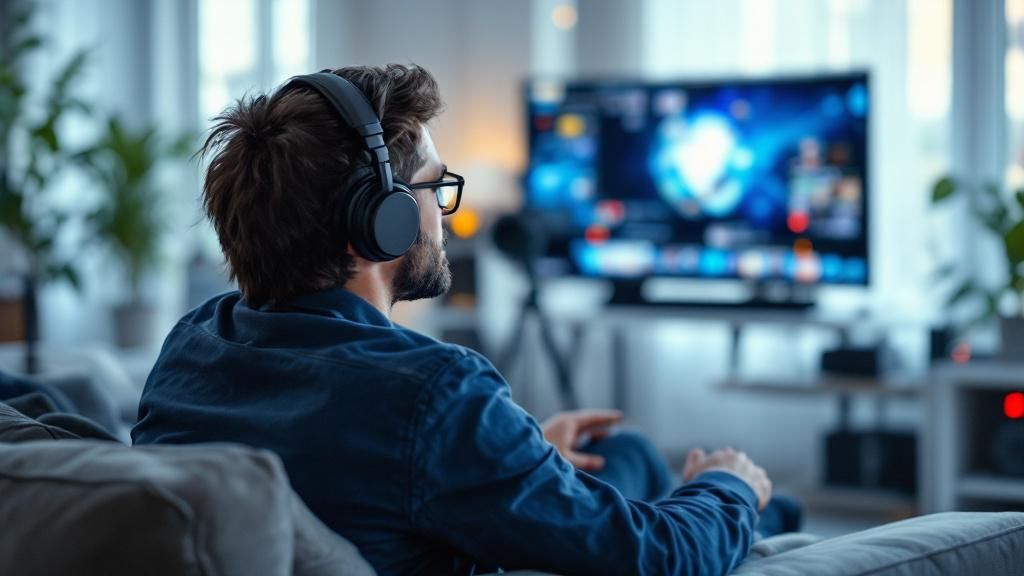
The conventional cinema viewing has experienced a seismic shift in recent years, with streaming services fundamentally revolutionising how viewers watch films from the comfort of their homes. Gone are the days when theatre audiences had few choices; today’s viewers have unparalleled access to vast libraries of content at their disposal. This article examines how platforms like Netflix, Disney+ and Amazon Prime have transformed the media landscape, assessing the technical advances, changing consumer preferences, and cultural effects that have converted home cinema experiences into an increasingly sophisticated and personalised experience.
The Rise of Streaming Services in Modern Entertainment
The rise of streaming platforms has fundamentally altered the entertainment landscape in the last ten years. What originated as a niche option to traditional theatrical releases has evolved into a commanding presence, transforming the way millions of people worldwide consume video content. Platforms such as Netflix, Disney+ and Amazon Prime have spent vast sums in content acquisition and original programming, establishing fierce competition against conventional theatrical releases. This shift demonstrates wider changes in audience preferences, technological advancement and the worldwide expansion of entertainment industries, positioning streaming as the main platform through which audiences now watch film content.
The accessibility and convenience provided by streaming platforms have proven irresistible to modern viewers. With subscription-based models eliminating the requirement for costly theatre visits or buying DVDs and Blu-rays, viewers can quickly browse extensive catalogues from their homes. The capacity to watch on-demand, pause whenever you like and discover tailored suggestions has fundamentally changed viewing habits. Furthermore, these platforms have democratised access to international cinema and varied programming, enabling audiences in remote regions to watch films that weren’t accessible before. This shift represents not merely a change in distribution method, but a comprehensive reimagining of how people enjoy media itself.
Easy Access and Availability Reshaping How People Watch
Streaming services have dramatically reshaped the way audiences view cinema, eliminating geographical and temporal barriers that once restricted viewing options. Rather than adhering to rigid cinema schedules or going to physical locations, viewers can now view content instantaneously from their homes, at times that match their routines. This remarkable accessibility has opened up cinema to wider audiences, enabling people across the United Kingdom to access the same premium content simultaneously, regardless of their location or socioeconomic circumstances.
The inclusive shift surpasses mere convenience, embracing digital innovations that elevate the playback quality substantially. Today’s streaming providers offer various quality settings, from basic quality to 4K ultra-high-definition video, allowing users to customise their viewing according to their broadband capacity and display capabilities. Moreover, options including customised suggestions, customisable subtitles in many different languages, and dynamic streaming systems guarantee that films remain accessible to varied viewers, including those with visual or auditory disabilities.
Perhaps most notably, streaming services have eroded the exclusivity that historically surrounded cinema releases. Films become accessible concurrently throughout multiple platforms and regions, removing the frustration of geographic release delays. This worldwide access has fostered a broader entertainment ecosystem, where audiences globally can take part in cultural discussions about films in real-time, fundamentally altering how cinema functions as a shared cultural experience.
Content Quality and Original Programmes
Streaming services have fundamentally transformed the standard for original content, pouring substantial resources into prestigious productions that compete with conventional theatrical films. Platforms such as Netflix, Disney+ and Amazon Prime now develop prize-winning productions from celebrated creative talent, attracting top-tier talent previously exclusive to theatrical releases. This commitment has made widely available premium content, enabling viewers to access theatrical-standard entertainment in the comfort of home. The competitive landscape among streaming leaders has generated an remarkable creative flourishing, with each platform pursuing artistic credibility and viewer interest through creative narrative approaches and technical quality.
The breadth of original productions offered by streaming platforms has reshaped audience anticipations and consumption habits significantly. From high-calibre dramas to large-scale productions, these services deliver varied programming addressing varied tastes and demographics. Many award-winning films now launch straight on digital services, disrupting conventional theatrical release strategies. This change has enabled new creators to access worldwide viewers instantly, fostering cross-cultural dialogue and creative innovation. Consequently, audiences now enjoy unlimited options, with quality original content constantly replenishing their viewing options and improving their home entertainment experience substantially.
The Evolution of Cinema and Spectator Participation
The evolution of streaming platforms indicates an increasingly immersive future for at-home entertainment. Emerging technologies such as 8K picture quality, immersive sound, and VR integration promise to improve the domestic viewing experience to unprecedented heights. As budgets for streaming content continue to compete with theatrical releases, the gap between premium cinema and domestic entertainment will blur further. Audiences can expect more refined interactive features, customised content selection driven by artificial intelligence, and seamless integration across multiple devices, fundamentally redefining what it involves watch films at home.
At the same time, the relationship between streaming platforms and conventional movie theatres is developing into a increasingly collaborative relationship rather than outright competitive conflict. Studios now recognise the importance of theatrical releases for big-budget films whilst embracing streaming for varied, specialist programming. This hybrid model serves viewers by maintaining the communal cinema experience whilst expanding accessibility for those unable to attend cinemas. The future undoubtedly belongs to a diversified entertainment ecosystem where streaming platforms and conventional cinemas coexist, each catering to different viewer tastes and consumption habits in an increasingly personalised media landscape.
